

1 IN 2

★★★★1/2 "An unpretentious and self-effacing film that refuses to talk down to the viewer and Wilkinson himself is an engaging, empathetic and sympathetic compère...by far his most absorbing, personal and important work, his magnum opus." — James Cameron-Wilson, Film Review
│
★★★★1/2 "An unpretentious and self-effacing film that refuses to talk down to the viewer and Wilkinson himself is an engaging, empathetic and sympathetic compère...by far his most absorbing, personal and important work, his magnum opus." — James Cameron-Wilson, Film Review │
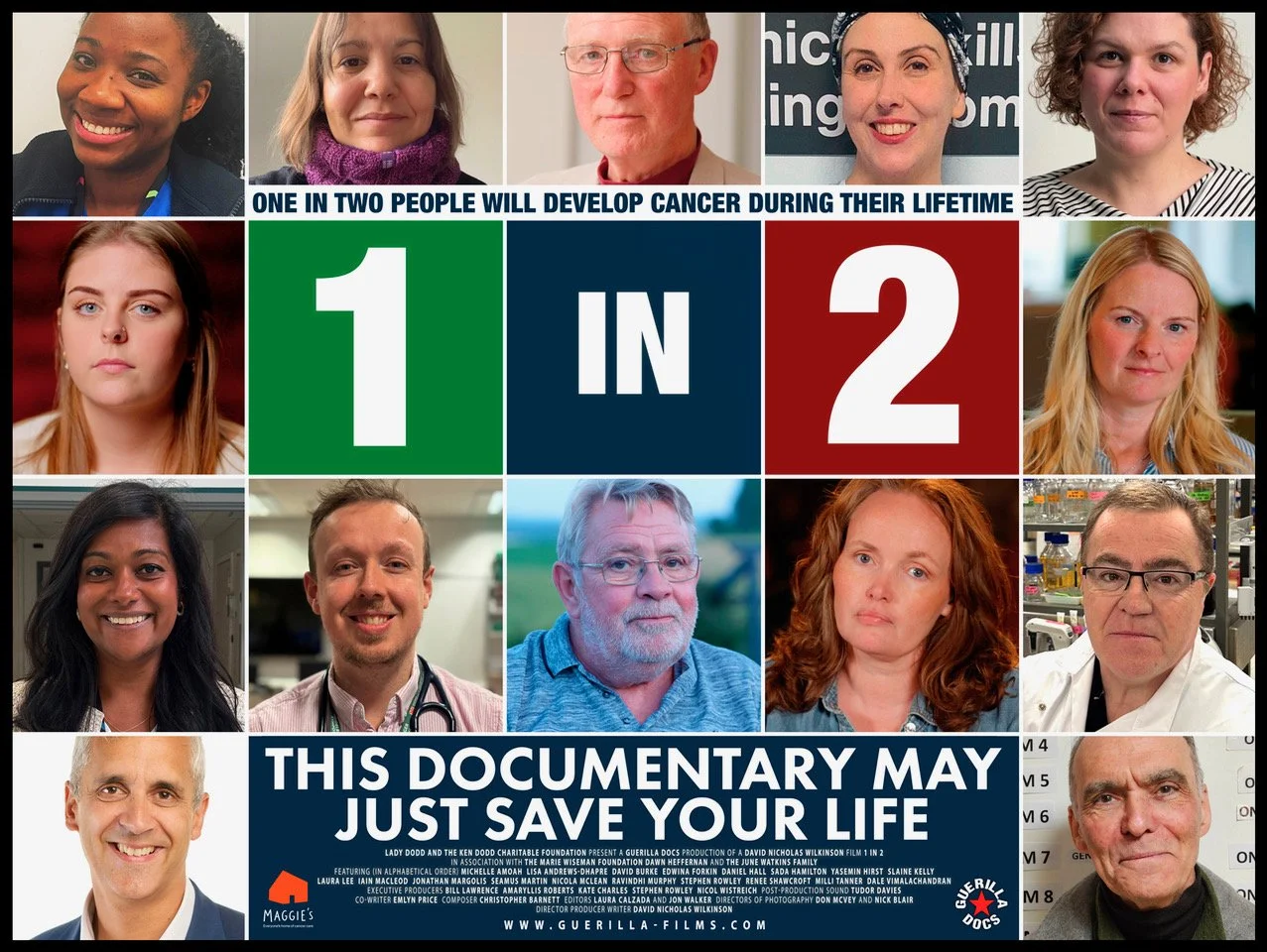
Nearly one in two of us will be diagnosed with cancer at some point in our lives.
David Nicholas Wilkinson is one of them, twice over.
In 2020, a colonoscopy found his bowel to be extremely healthy for a man his age. In 2023, a FIT test came back clear and, like almost everyone who takes one, he assumed that meant the all-clear. In 2024, a second colonoscopy found bowel cancer. Stage 4. He was told his tumour was 5-6 years old. What went wrong?
A FIT test looks for blood. Wilkinson’s tumour never bled. Nor do a great many others.
1 IN 2 follows Wilkinson through his own treatment, where he discovers a steep rise in bowel cancer among people far too young to be screened for it, and far too young, it seems, to be believed. Among those who tell him their stories is a bowel surgeon whose own symptoms were dismissed by her oncologist colleagues and in part by herself because she was only 44.
Bowel cancer is very insidious; it often strikes with few or no symptoms. One of the participants, an NHS nurse specialising in colonoscopies, had only one symptom: anxiety. 1 IN 2 attempts to flag up early signs because the one thing no one wants is to end up like director David Nicholas Wilkinson, with stage 4 bowel cancer.
SYNOPSIS
“A 142-minute documentary about bowel cancer by David Wilkinson. Bloody Nora! Think I’ll give that a miss,” I hear you say. Understandable. But can you really afford to miss a film that might save your life?
Nearly one in two people born in the UK since 1960 will be diagnosed with cancer at some point in their lifetime. It is not a figure you can brush under the carpet, and if you are fortunate enough to escape it yourself, you can count on it reaching people you love. I have concentrated on bowel cancer as circumstances have conspired to make me an expert.
I thought I knew about cancer. I had been living with prostate cancer since 2019. In 2020, a colonoscopy found my bowel to be in excellent health for a man my age. In 2023, I was given a FIT test, told nothing had been found, and assumed I had the all-clear.
A FIT test detects blood in the stool. My tumour never bled. Nor did many others. In 2024, a second colonoscopy found bowel cancer. Stage 4. I was told the tumour was at least five or six years old. Almost everybody who takes a FIT test believes a clear result means what I believed the 2023 result meant. It does not, and nobody tells you.
Clearly, something went wrong.
I was told that my father and grandfather died of prostate cancer, which had spread throughout their bodies, including the bowel, so I have watched that cancer carefully. Only when I was diagnosed with bowel cancer was I informed by the surgeon that there is less than a 10% chance of prostate cancer spreading to the bowel. If only I had known, I would have looked at my health differently. They, like me, must have had two primary cancers.
MEDIA & PRESS REVIEWS
★★★★1/2
“An unpretentious and self-effacing film that refuses to talk down to the viewer and Wilkinson himself is an engaging, empathetic and sympathetic compère…by far his most absorbing, personal and important work, his magnum opus.”





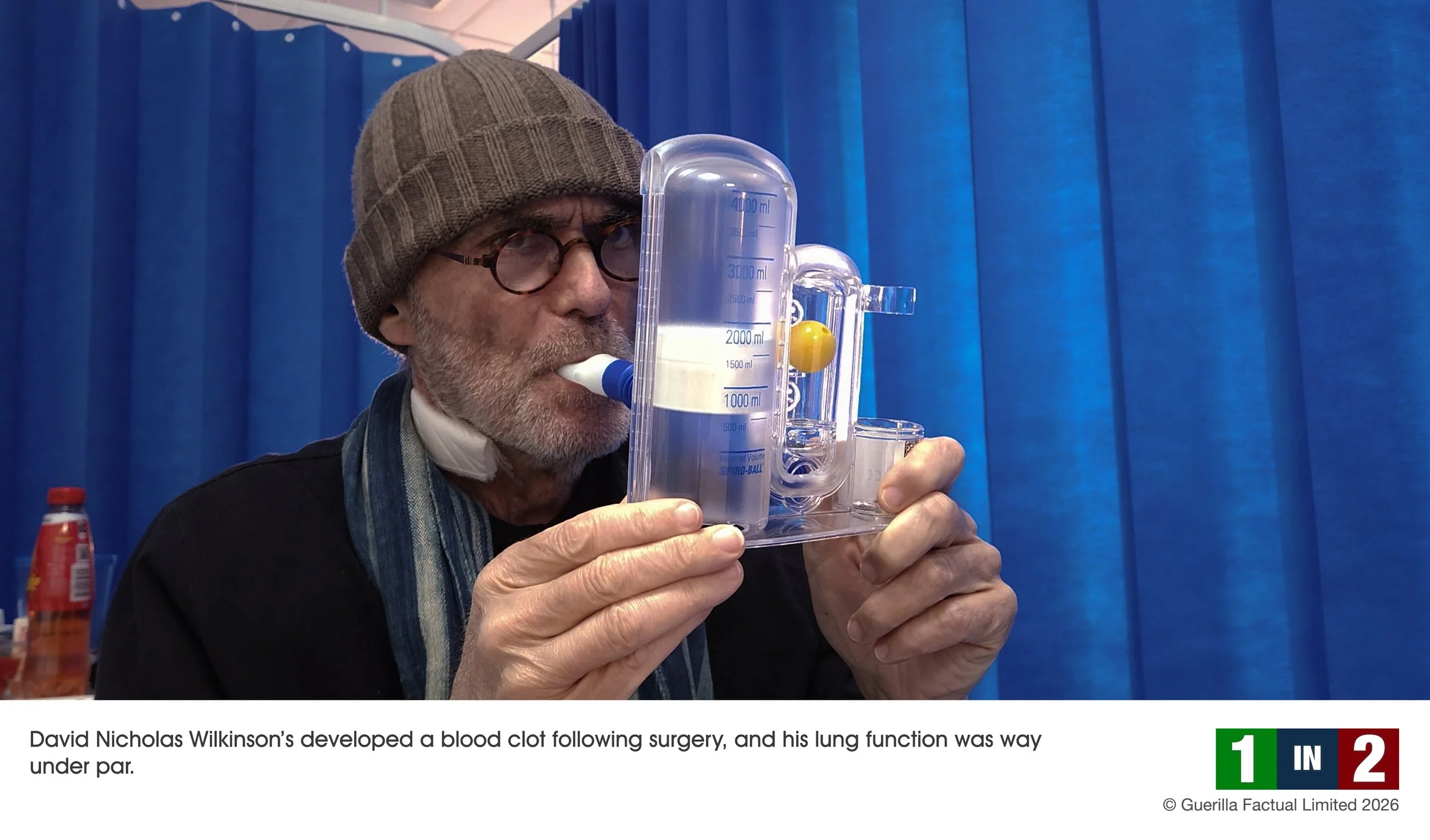


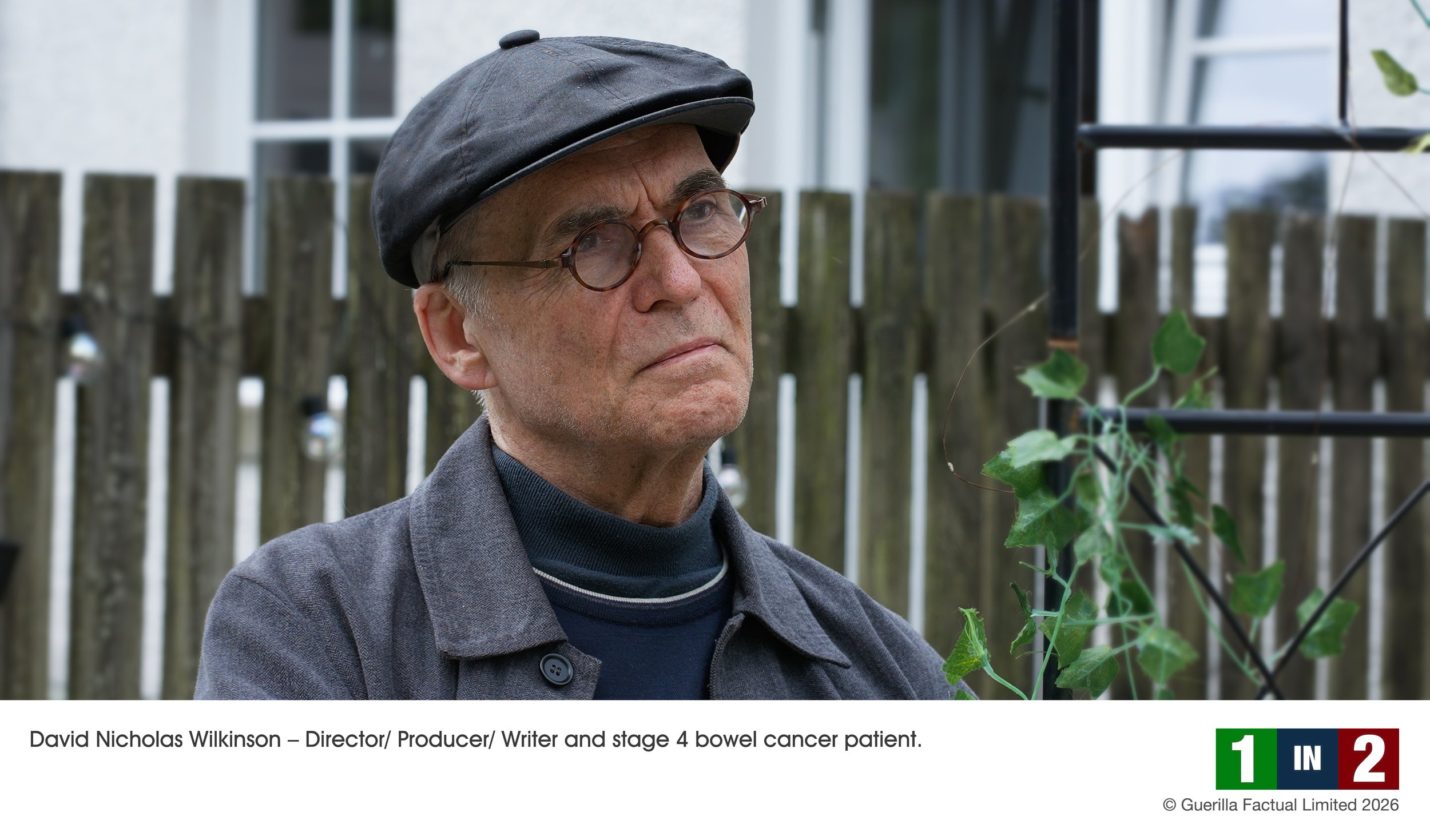


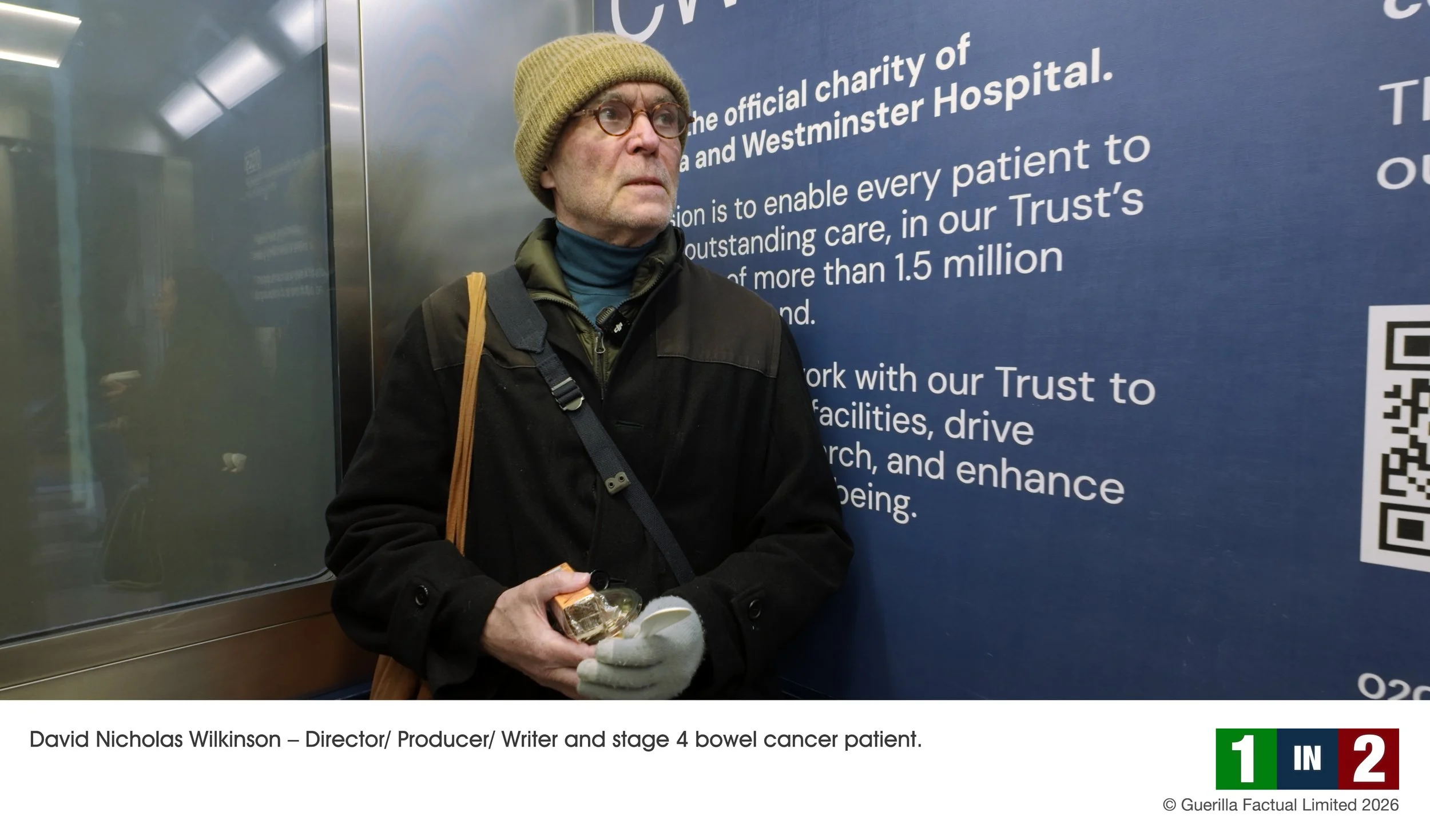



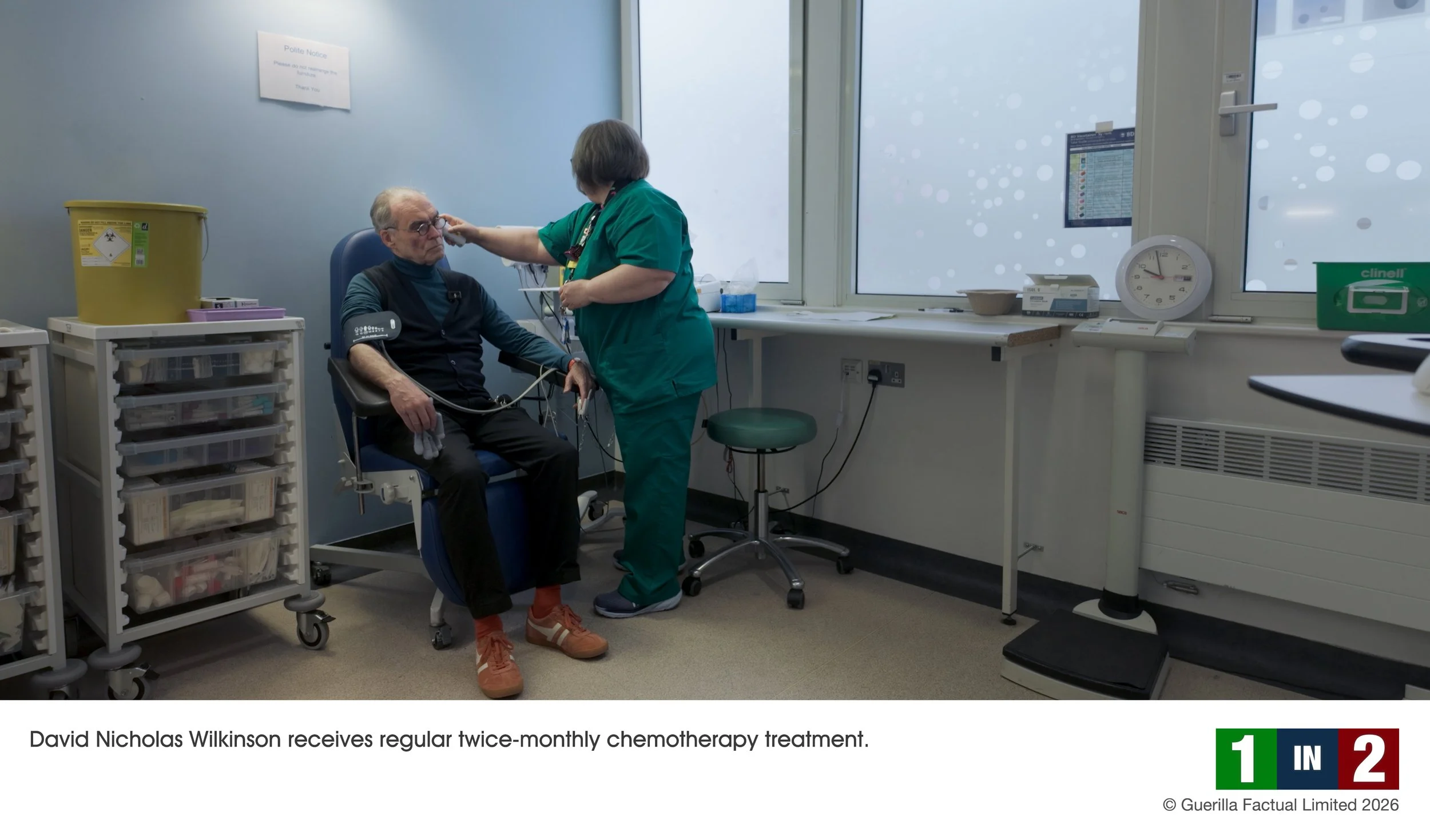


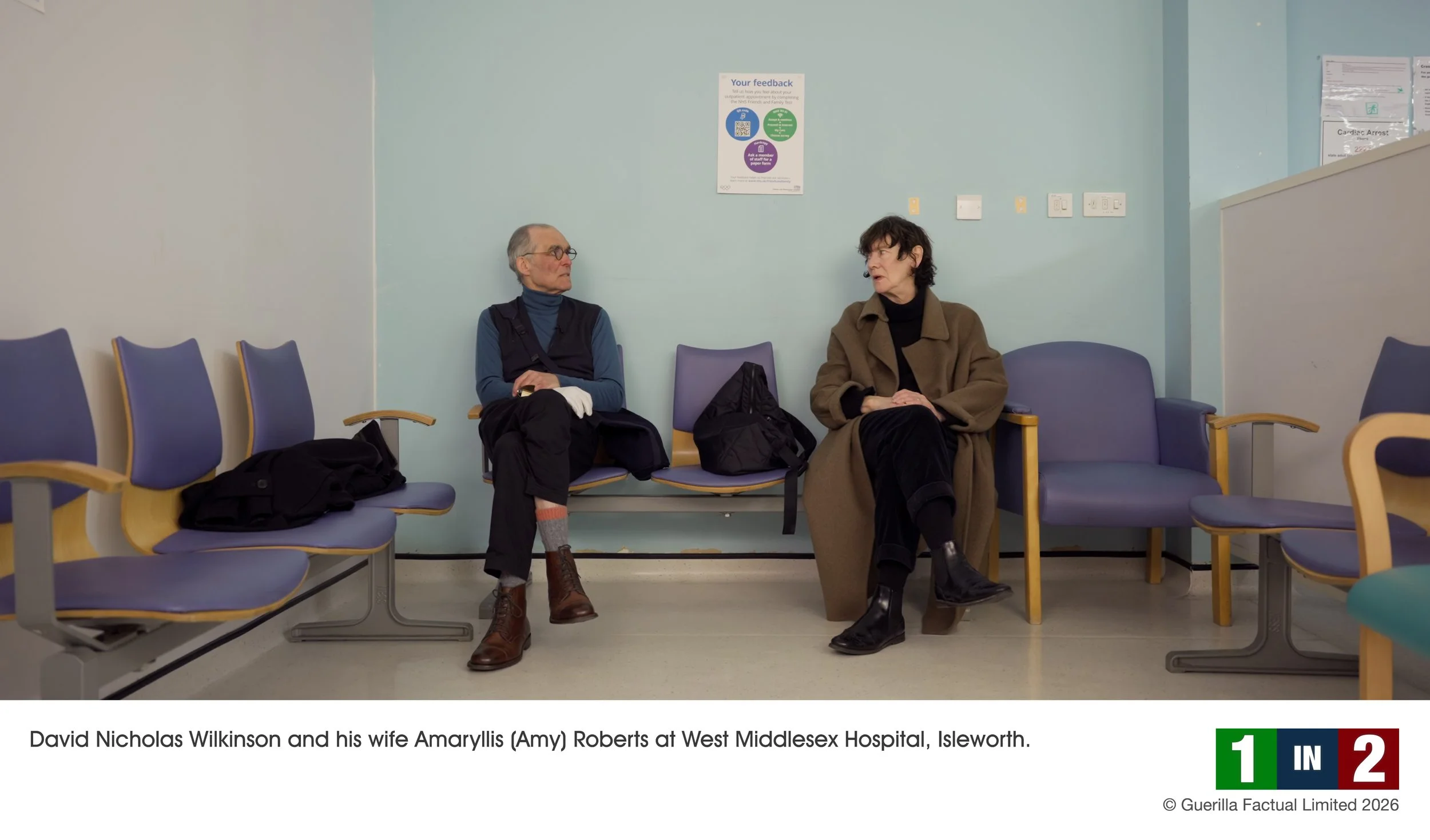


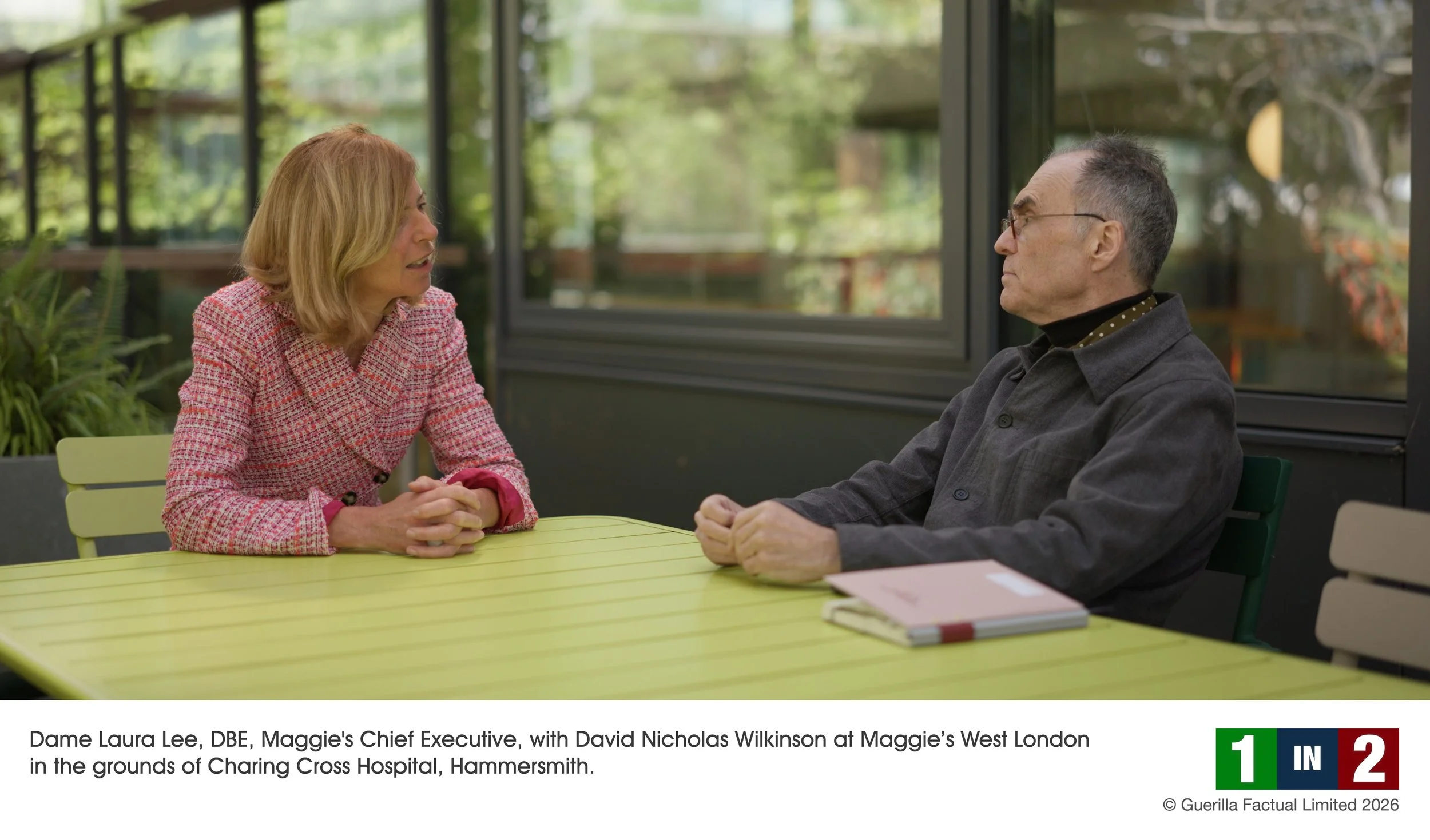

1 IN 2 follows my own treatment to take the mystery out of it.
However, what alarmed me during my chemotherapy was how many of the people I met were young. After Dame Deborah James died at 40, I assumed this was now so widely understood that the symptoms could no longer be overlooked among those under 50 and dismissed as too young. 1 IN 2 shows that tragically, this is not the case. By the time many are eventually believed, they are at stage 4, for which there is no cure.
The film is built around the people this has happened to, told in their own words. One of them is a bowel surgeon. Her symptoms were dismissed for some time by her oncologist colleagues and by herself, because she was only 44. If a specialist in this exact disease can look straight at it and not see it, the gap in awareness is not a small one.
I also wanted to be honest about treatment, because the fear of it can be worse than the fact of it. It is gruelling, and the film does not pretend otherwise. But it is not what it was when my father and grandfather went through it. Diagnosed early enough, bowel cancer can be cured.
If you are under 50, or you love someone who is, there is a great deal in this film you need to know. FIT tests are offered from 50 in England, Scotland and Wales, and from 60 in Northern Ireland. And if you are watching for blood in the toilet as your one warning sign, you are watching for something that may never come. Mine never did.
What I think makes the film most impactful is the people in it who were generous enough to discuss, in full graphic detail, the worst thing that had happened to them and tell it as it was, so that it might reach somebody else in time.
1 IN 2 I also hope you will find funny. There is comedy in cancer, as there is comedy in most of what happens to us, and there is hope, and to steal from another film: “hope is a good thing, maybe the best of things” Advances in science and medicine give us all hope.
LOCATIONS
We filmed in Tredegar, Cardiff, Stroud, Tewkesbury, Wirral, Glasgow, Edinburgh, Oban, Perth, Belfast, Galway, Dublin, Leeds, Rotherham, and of course London.
CONTRIBUTORS
Interviewees
(alphabetical order)
-
(Filmed at DNW home, Isleworth, Middx, England)
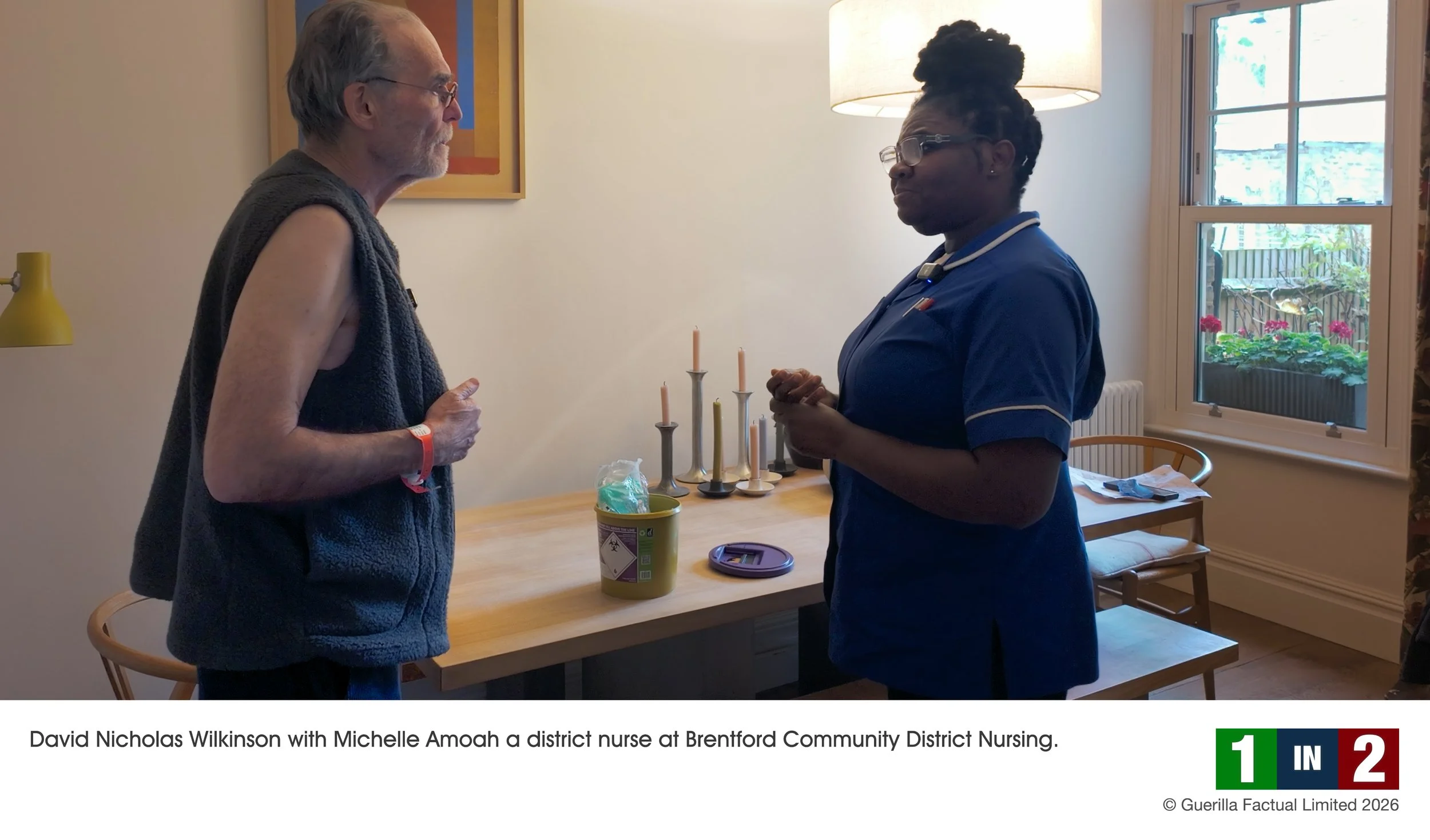
Michelle Amoah is a district nurse at Brentford Community District Nursing.
-
(Filmed Maggie’s St Barts London)
Lisa Andrews trained at St Barts Hospital and is a Trauma and Orthopaedic surgeon living with and navigating stage IV bowel cancer, which was diagnosed in 2020. Lisa works for Lewisham and Greenwich NHS Trust. She regularly operates on patients with bony metastases originating from bowel and other primary tumours.
-
(Filmed in Belfast, Northern Ireland)
Dr Burke, a trainee cancer doctor with personal experience of cancer, is dedicated to enhancing the quality of life for individuals undergoing anticancer treatments. Taking up a post as an academic clinical lecturer at Queen’s University Belfast and supported by the Belfast Trust Charitable Research Fund, David is currently collaborating with patients and scientists to develop new research into physical activity and nutrition support for people with bowel cancer.
-
(Filmed in Galway, Ireland)
Edwina Forkin is one of Ireland’s most successful film and television producers. When David Wilkinson first met her in 2005, she had breast cancer, but did not let that stop her from doing what she wanted to do. Her positivity was infectious.
-
(Filmed at Charing Cross Hospital)
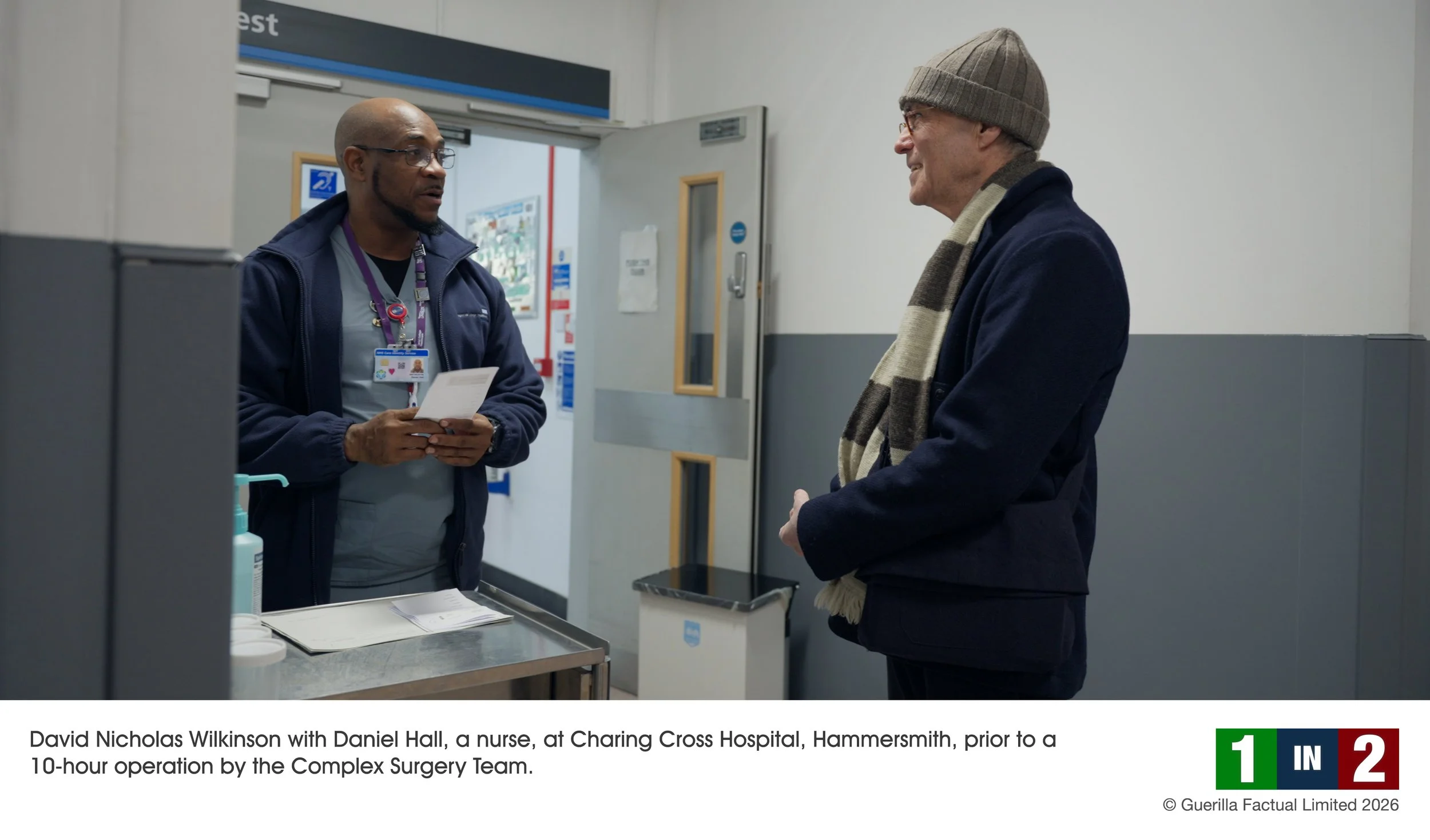
Born in Jamaica, Daniel had a difficult time in his younger days and found himself homeless. However, he has turned his life around and become an important, valued member of Imperial College Healthcare NHS Trust’s nursing team. -
(Filmed at the Gazzard Day Centre Chelsea & Westminster Hospital, London)
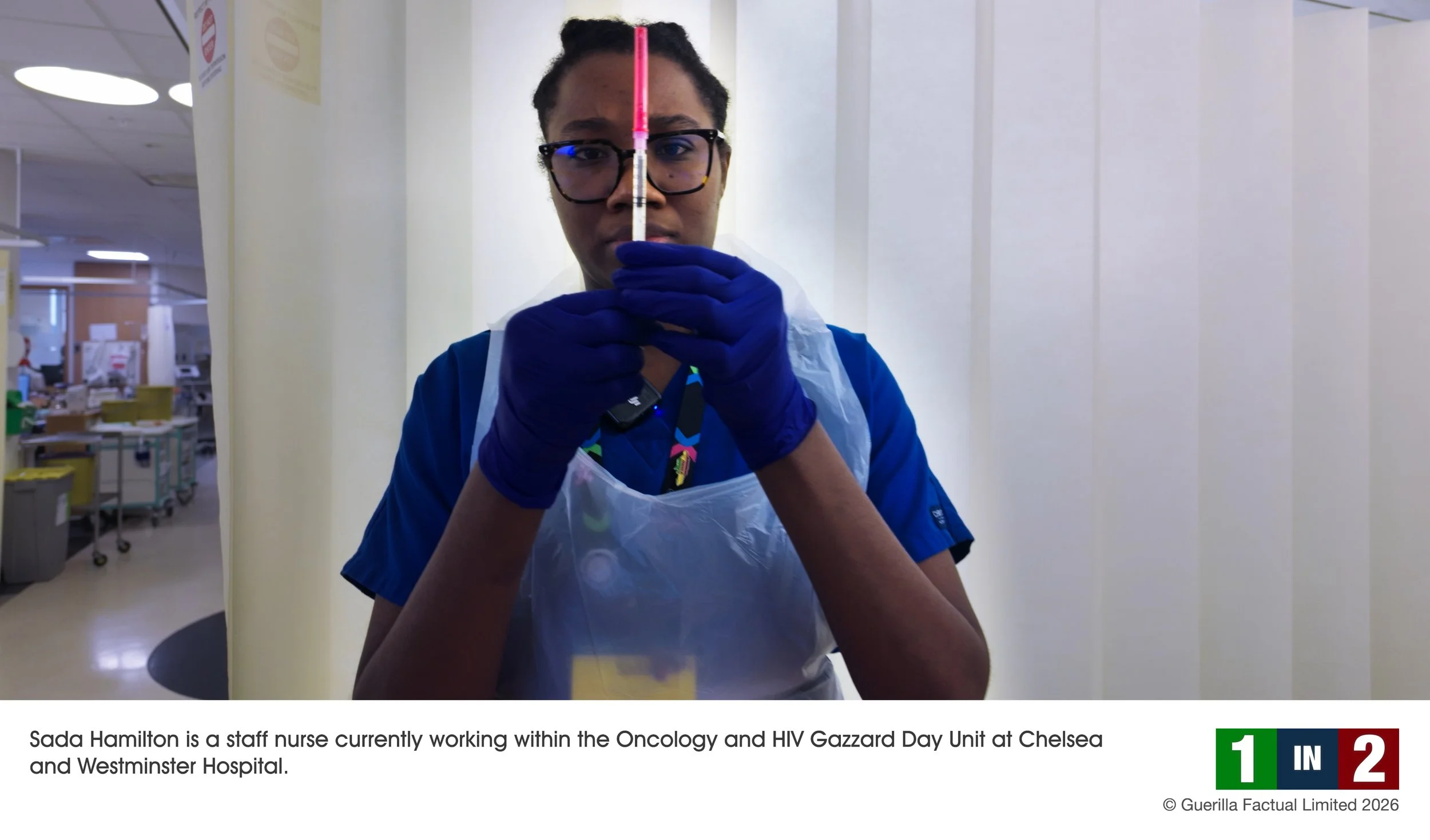
Sada Hamilton is currently working within the Oncology and HIV Gazzard Day Unit at Chelsea Westminster Hospital. She trained in Jamaica and at the Royal Marsden in London.
-
(Filmed Maggie’s, The Wirral, England)
Dr Hirst is a health psychologist and behavioural scientist whose research at the University of Lancashire aims to address inequalities in bowel cancer screening participation and earlier healthcare presentation to improve cancer outcomes.
She collaborates closely with patients, the public, community-based organisations, Lancashire and South Cumbria Cancer Alliance, and Bowel Cancer Screening Programme Health Promotion team to help identify ways to improve access to screening for underserved and marginalised communities.
-
(Filmed Dublin, Ireland)
Slaine Kelly, an actor and film producer, has known David Wilkinson since 2008. She is frank in her account of what she is going through. Diagnosed in April 2023 with colorectal cancer after a mysterious illness struck her on her 40th birthday.
She has undergone extensive abdominal surgery, which left her with a stoma bag, which she slowly started to advocate for.
-
(Filmed Maggie’s West London)
Dame Laura Lee, DBE, Maggie's Chief Executive, was a former oncology nurse and has been at the helm of Maggie’s since its inception in 1995. She met Maggie Keswick Jencks when Maggie was being treated at the Western General Hospital in Edinburgh. Laura was her Oncology Nurse, and together they worked on a blueprint for a different type of cancer care. When the first Maggie’s centre opened in the grounds of the Western General Hospital in 1996, Laura became Maggie’s first member of staff as Programme Director before becoming Chief Executive in 1998. Maggie’s now has 24 centres in the grounds of NHS hospitals across the UK, as well as a growing international network.
-
(Filmed Perth, Scotland)
Iain Macleod QPM was diagnosed in June 2018 with Stage 4 colorectal cancer, with the extent of the spread making surgery impossible. The prognosis was bleak. A game changer was the availability of targeted therapy, which allowed him to undergo surgery in March 2019, and since then, there has been no evidence of recurrence.
-
(Filmed in Kew, Surrey, England)
Jonathan Margolis is a London and New York-based journalist and author and almost exactly the same age as David Wilkinson. Two years ago, when David was diagnosed, he started a campaign amongst all his friends to do the poop test. Jonathan immediately ordered one from Amazon. He accidentally ordered nine and kept them in a drawer for a year. Eventually, his partner persuaded him to try one. It was strongly positive, as was the second he did. A few weeks later, he had a massive polyp removed from his caecum, which the consultant believed was very close to becoming malignant.
-
(Filmed Dublin, Ireland)
Professor Martin has held the Smurfit Chair of Medical Genetics since 1999 within the Smurfit Institute of Genetics at Trinity College Dublin, Ireland. He is internationally acclaimed in the field of programmed cell death (apoptosis), which is crucial for the development and function of the immune system. He is one of the most highly cited scientists worldwide on this subject. He was elected to the Royal Irish Academy in 2006, to the European Molecular Biology Organisation in 2009, and received The RDS/Irish Times Boyle Medal in 2015, Ireland's highest scientific honour. The Martin Laboratory is funded by an ERC Advanced grant as well as an Irish Research Council Advanced Laureate Award. He has also had cancer.
-
(Filmed Maggie’s Lanarkshire, Scotland)
Nicola McLean, who lives outside Glasgow, was diagnosed in April 2019 with stage 3 bowel cancer. She had visited her GP several times and was initially told she had IBS. After insisting on further investigations and when her symptoms had been overlooked, the cancer was finally detected. Following extensive treatment, Nicola received another diagnosis in 2022, this time stage 4. She underwent cytoreductive surgery and HIPEC chemotherapy at Basingstoke Peritoneal Malignancy Institute. Nicola considers herself lucky to be alive, although she finds it difficult to cope with each day due to side effects and pain. Despite this, she feels fortunate and regularly attends Maggie’s and support groups.
-
(Filmed at Chelsea & Westminster, West Middlesex Hospital)
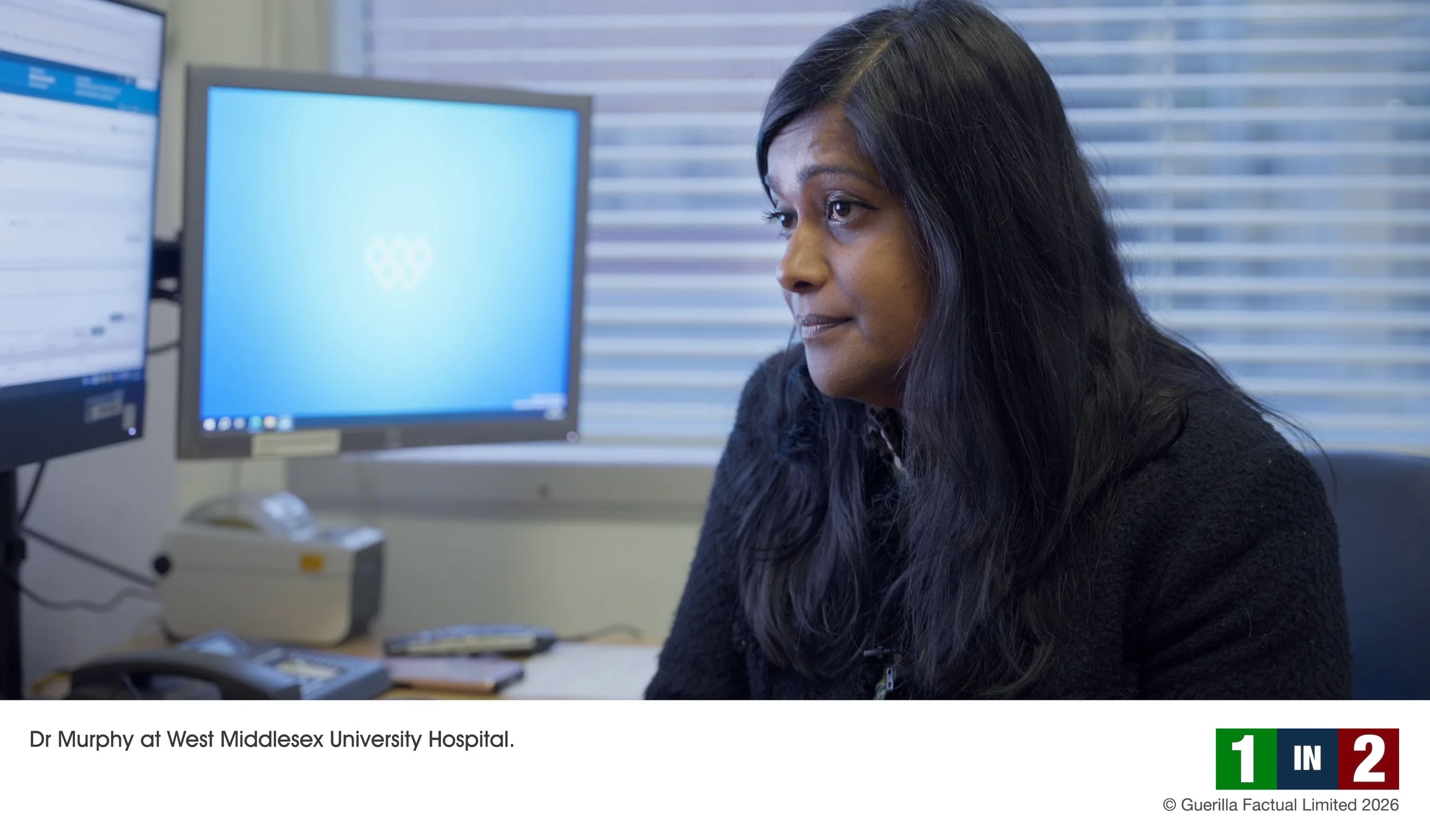
Dr Murphy, David Wilkinson’s oncologist at Chelsea and Westminster Hospitals NHS Foundation Trust, where he has his chemotherapy.
She is a consultant medical oncologist specialising in colorectal cancers. She is interested in advancing personalised cancer treatment and precision oncology, ensuring patients benefit from the latest developments in cancer research and clinical care.
She has significant experience in cancer research and completed her PhD in cancer therapeutics at the Institute for Cancer Research, London. As well as her work within the NHS, she is a medical adviser at the Centre for Drug Development, Cancer Research UK. She leads the rapid diagnostic cancer clinic at Chelsea and Westminster Hospitals NHS Foundation Trust.
Dr Murphy is passionate about early cancer detection and prevention, particularly for young-onset patients, recognising that outcomes are significantly improved when cancers are identified at an early stage.
-
(Filmed in West Middlesex Hospital and other locations.)
Amy Roberts is David Wilkinson’s wife, and they have been together for over 40 years. She is a multi BAFTA and EMMY award-winning costume designer working on THE CROWN, H IS FOR HAWK, AGATHA CHRISTIE’S SEVEN DIALS, BRASSED OFF, etc.
-
(Filmed Stroud, England & Tredegar, Wales)
Stephen Rowley is a survivor of Stage 3C colon cancer. In 2018, his brother Damon was diagnosed with Stage 4 colon cancer and died later that year. Since then, Stephen has become a cancer patient advocate. In 2020, he founded the Bowel Cancer Support Group UK, which has grown to a membership of well over 9,000 and subsequently became formalised as the charity Bowel Matters. Aside from providing day-to-day patient support he is also involved in early detection research. He represents patients in several organisations including SWAG Cancer Alliance and SW Genomic Medical Service and the patient advisory committee of Digestive Cancers Europe.
-
(Filmed Oban, Scotland)
Renee Shawcross, an Operating Department Practitioner with NHS Highland, regularly works in the Endoscopy/Colonoscopy department. She was diagnosed with stage 4 cancer at the age of 37, despite having no symptoms and no family history of the disease. Filmed at aged 40, Renee is considered inoperable and incurable. She is a single parent to three young children.
-
(Filmed in the Roses Theatre, Tewkesbury, England)
Milli Tanner was only 19 years old when she first showed symptoms of bowel cancer. After 13 GP appointments, along with multiple tests, hospital visits, and referrals, they finally confirmed her suspicion—she had bowel cancer. “But you are far too young,” she was told many times. She was finally diagnosed with stage 3 at the age of 22, confronting all the inherent challenges of a late diagnosis.
-
(Filmed Maggie’s The Wirral, England)
Dale Vimalachandran is a specialist bowel cancer surgeon based in the North West of England. He leads a clinical team that investigates, manages and operates on patients with bowel cancer. He also runs a research group at the University of Liverpool that explores all aspects of bowel cancer, from early detection and personalised therapy to palliative management. He is the national speciality lead for bowel research for the Association of Coloproctology of Great Britain and Ireland and the charity Bowel Research UK.
Behind the Camera
-
(director/producer/writer)
Directed, produced, co-wrote, and presented THE FIRST FILM, POSTCARDS FROM THE 48%, THE MARBLES and was an executive producer of HOW TO CHANGE THE WORLD. His three-hour Holocaust documentary GETTING AWAY WITH MURDER(S) was voted by The Guardian the No. 17 Best Film in 2021 in the UK. By default, it was the highest-placed documentary on the list.
He has also produced almost 50 documentaries and dramas. Wilkinson has also distributed 120 films in the UK and Ireland in the cinema, on video/DVD, on television, and online. Since 1998, apart from Alex Gibney’s ZERO DAYS and Lasse Hallström’s HILMA, these have been purposely only British and Irish films.
He started his career as an actor in 1970, and for the next ten years, he acted in over 40 theatre, television and film productions. In 1982, he became, by accident, the first true independent producer to work with the BBC with a film of Virginia Woolf's TO THE LIGHTHOUSE, which starred Sir Kenneth Branagh and was nominated for a BAFTA award.
-
(Director of Photography)
was the DOP on Wilkinson’s THE FIRST FILM, POSTCARDS FROM THE 48% GETTING AWAY WITH MURDER(S), and THE MARBLES. He has shot commercials for companies such as Cadbury’s, Lego, Aspinall, Amnesty , and 3 Mobile. He has worked with artists such as Little Mix, Take That, Robbie Williams, and Ellie Goulding, and won a Best Cinematography Advertising award for a Malaria charity spot with Stephen Mangan.
-
(Director of Photography)
is an occasional director with a background as a musician, touring for several years before focusing on filmmaking. He has recently worked for the BBC on The Apprentice and co-produced and DOP'd a romantic comedy feature film in Sri-Lanka. He has a comprehensive body of commercial, branded and short-form documentary work for the likes of McLaren, Goodwood and the United Nations.
-
(editor)
was a recent graduate of the Met Film School when she attended a film networking event co-hosted by David Wilkinson. He originally took her on to compile only a rough assembly, but he was so impressed with her diplomatic suggestions to his early rough cuts that he took her on to complete what used to be called, in the old days, the offline edit. This is her first professional film.
-
(editor)
has edited dozens of documentaries across a wide range of subjects. Recent projects include HORIZON: GOODBYE CASSINI - HELLO SATURN, CHINA: BETWEEN CLOUDS AND DREAMS (a five-part series) and the BAFTA-nominated BAKA - A CRY FROM THE RAINFOREST, POSTCARDS FROM THE 48% and GETTING AWAY WITH MURDER(S).
-
(Composer)
has scored independent films, including the BAFTA-nominated A COCK & BULL STORY, BORROWED TIME, and Wilkinson’s GETTING AWAY WITH MURDER(S), POSTCARDS FROM THE 48%, and THE FIRST FILM, which received media best score awards. His work also includes, SPEER GOES TO HOLLYWOOD, nominated best score at the IDA awards, and music for brands like Madam Tussauds, London Eye and Amnesty International.
-
(Co-writer)
has worked with David Wilkinson for 35 years. Their productions include POSTCARDS FROM THE 48%, CHARLES DICKENS’S ENGLAND, GETTING AWAY WITH MURDER(S) and now THE MARBLES. They also co-wrote a screenwriting book they wrote with Sir Ronald Harwood and has written several unproduced screenplays with David Wilkinson.
-
(Executive Producer)
is a London-based New Zealand lawyer, working primarily in scripted television. Kate has supported David with Business Affairs matters since 2019.and other primary tumours.
-
(Executive Producer)
worked with David Wilkinson on THE FIRST FILM, POSTCARDS FROM THE 48%, GETTING AWAY WITH MURDER(S) and THE MARBLES. He was the Head of Film at the National Media Museum in Bradford and a board member of both Screen Yorkshire and Creative England (and a member of its Investment Board). He is also a co-owner of the Bradford Literature Festival and Finance Director of the Manchester Animation Festival.
-
(Executive Producer)
is also a costume designer. She has been nominated for ten BAFTA Awards, winning four of them; nominated for five EMMY Awards, winning two of them. Her most recent productions include THE CROWN, H IS FOR HAWK and THE SEVEN DIALS MYSTERY. She was also an Executive Producer of GETTING AWAY WITH MURDER(S) and THE MARBLES.
-
(Post-Production Sound)
has worked with David Wilkinson on THE FIRST FILM, POSTCARDS FROM THE 48%, GETTING AWAY WITH
MURDER(S) and THE MARBLES. His sound career started at BBC Television Centre in 1991, working on comedy, music and drama. Having left to go freelance, he now specialises in documentaries and music programmes, having won a BAFTA as part of the sound team for LATER WITH JOOLS HOLLAND.
DIRECTOR’S STATEMENT
A Personal Statement from Director David Wilkinson
I had naively thought that, given the educational, informative nature of 1 IN 2, I would at least be taken seriously, especially given its charitable nature.
In November 2024, I wrote to Wez Streeting, then Secretary of State for Health and Social Care. My package was signed for. Regarding the film THE MARBLES, I wrote to the Scottish Government and the DCMS, and both replied within two weeks. The former First Minister of Wales’s office replied within 24 hours.
I am still waiting for a reply from the Department of Health and Social Care.
My treatment has already cost around £200,000. Had I been treated at stage one, it would have been £20-30,000. Stage 1 can be cured. Stage 4 cannot.
Stage 4 cancers across the board must be costing the NHS multiple hundreds of millions to treat each year.
Education and awareness are the answer. Catch every cancer early.
Wez Streeting is a cancer survivor. Shame on him for not taking my request seriously. Even a thank you, but no thank you, would have been better than ignoring the film and its subject matter.
As I have a short quote in the film from Aneurin Bevan, the founder of the NHS, I approached three very well-known Welsh actors in turn to record this. Not one of them got back to me, and one I know. Dame Siân Phillips recorded this instead and for no charge.

-
Director/producer/writer David Wilkinson directed, produced, co-wrote, and presented THE FIRST FILM, POSTCARDS FROM THE 48%, and was an executive producer of HOW TO CHANGE THE WORLD. His three-hour Holocaust documentary GETTING AWAY WITH MURDER(S) was voted by the Guardian the No17 Best Film in 2021 in the UK. By default, it was the highest-placed documentary on the list.
He has also produced almost 50 documentaries and dramas. Wilkinson has also distributed 120 films in the UK and Ireland in the cinema, on video/DVD, on television, and online. Since 1998, apart from Alex Gibney’s ZERO DAYS and Lasse Hallström’s HILMA, these have been purposely only British and Irish films.
He started his career as an actor in 1970, and for the next ten years, he acted in over 40 theatre, television and film productions. In 1982, he became, by accident, the first true independent producer to work with the BBC with a film of Virginia Woolf's TO THE LIGHTHOUSE, which starred Sir Kenneth Branagh and was nominated for a BAFTA award.
For general enquiries please email: info@guerilla-films.com